
 Cart is empty
 In today’s fast-paced world, health is often overlooked until it becomes a problem. Most of us only think about our well-being when we’re sick, stressed, or overwhelmed. But building a healthy lifestyle isn’t just about reacting to illness—it’s about creating habits that support your physical, mental, and emotional health every single day.
Whether you’re just starting your wellness journey or trying to get back on track, these 7 pillars of long-term health can help you live a balanced, fulfilling life.
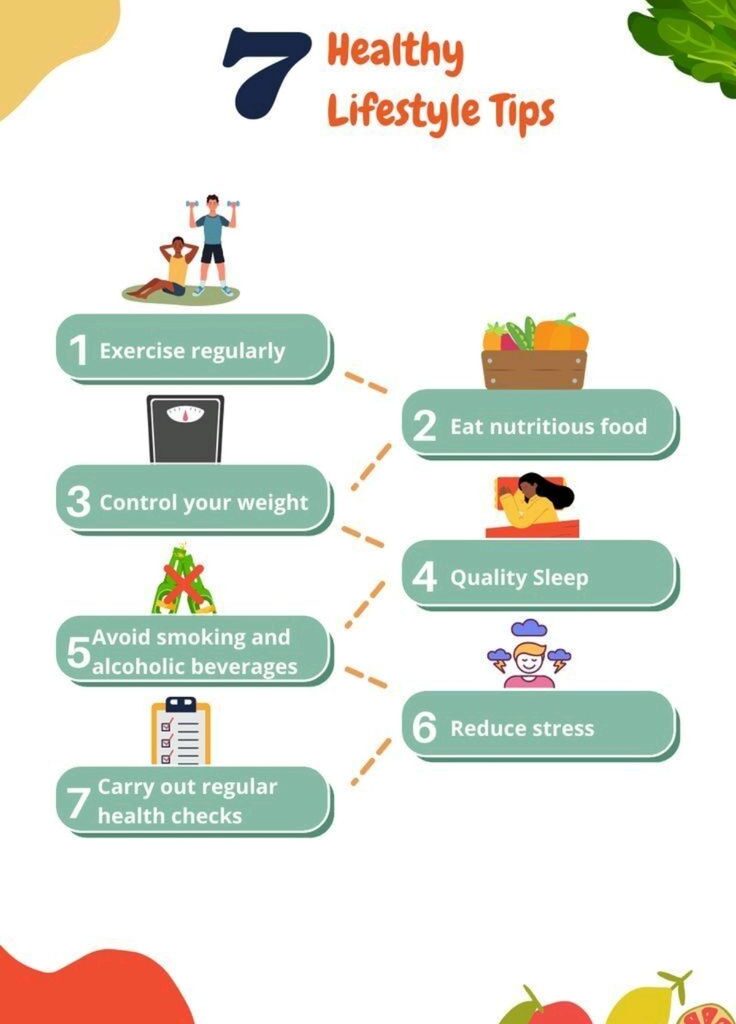
1. Balanced Nutrition: Fueling Your Body Right
Nutrition is the foundation of health. What you eat impacts your energy, immunity, skin, weight, and even your mood.
Many people fall into the trap of dieting—cutting out carbs, skipping meals, or relying on protein shakes. But real health comes from balanced meals that include:
- Whole grains (brown rice, oats, quinoa)
- Lean proteins (chicken, tofu, lentils, eggs)
- Healthy fats (nuts, olive oil, avocados)
- Plenty of fruits and vegetables
Don’t just eat to look good—eat to feel good. A balanced diet reduces the risk of heart disease, diabetes, and even certain cancers.
2. Regular Physical Activity: Movement Is Medicine
Exercise is not just for weight loss. It boosts your mood, strengthens your heart, improves sleep, and helps prevent lifestyle diseases.
You don’t have to run a marathon. Start with small steps:
- 30 minutes of walking or cycling
- Yoga or stretching at home
- Strength training 2–3 times a week
Find what you enjoy—consistency matters more than intensity.
If you’re busy, break workouts into short 10–15 minute bursts throughout the day. Even household chores, dancing, or playing with your kids count as movement!
3. Quality Sleep: Your Body’s Repair Time
In a world of smartphones and endless streaming, sleep often takes a backseat. But lack of sleep can weaken your immune system, increase stress, and lead to weight gain or heart problems.
Adults need 7–9 hours of uninterrupted sleep every night. Improve your sleep hygiene by:
- Sticking to a consistent bedtime
- Avoiding screens 1 hour before sleep
- Creating a calm, dark, quiet bedroom
- Avoiding caffeine in the evening
Good sleep isn’t a luxury—it’s a necessity.
4. Hydration: The Simple Health Hack
You’ve heard it before, but most people still don’t drink enough water. Dehydration can cause headaches, fatigue, constipation, and even affect focus.
Aim for 8–10 glasses of water daily—more if you’re active or in hot weather. Carry a reusable water bottle and sip throughout the day.
Remember: if you’re thirsty, you’re already mildly dehydrated.
Add lemon, cucumber, or mint for flavor if plain water feels boring.
5. Stress Management: Protecting Your Inner Peace
Chronic stress is called the “silent killer.” It contributes to high blood pressure, insomnia, digestive issues, and mental health problems like anxiety and depression.
In our busy lives, we can’t eliminate stress—but we can manage it better.
Simple daily habits that help:
- Deep breathing or meditation for 10 minutes
- Spending time in nature
- Listening to music
- Talking to friends or journaling thoughts
- Practicing gratitude
Protect your peace of mind like you protect your money. It’s just as valuable.
6. Preventive Healthcare: Check Before It’s Too Late
Many people only visit a doctor when something goes wrong. But preventive care can catch early warning signs of serious conditions—before they become life-threatening.
Schedule regular checkups for:
- Blood pressure
- Blood sugar
- Cholesterol
- Dental and eye exams
- Women: breast exams, Pap smears
- Men: prostate health (after age 40)
Also, keep your vaccinations up-to-date, including flu shots and COVID boosters. Prevention is always better—and cheaper—than cure.
7. Mental Health Awareness: You Matter
Taking care of your mind is just as important as taking care of your body. Mental health affects how you think, feel, and act.
Sadly, in many cultures, mental health is still a taboo. But the truth is, everyone struggles sometimes—and asking for help is a strength, not a weakness.
If you’re feeling low, anxious, or overwhelmed, talk to someone—a friend, a therapist, or a counselor. Support groups, hotlines, and online therapy are also great options.
Also, practice self-love and kindness. Don’t be too hard on yourself. Rest when you need it. Celebrate small wins. Surround yourself with positive people.
🧠 Final Thoughts: Health Is a Lifestyle, Not a Destination
True health is not about perfection. It’s about progress. It’s about making small, daily choices that add up over time.
You don’t have to change everything overnight. Just start with one habit—drink more water, go for a walk, sleep on time. Then build from there.
Your body is your home for life. Take care of it—you deserve to feel good every day.
Leave A Comment